
White label web design is a build arrangement where one studio does the work and another agency sells it under its own name. The agency keeps the client relationship, the scope and the margin. The build partner stays invisible: no logo in the footer, no name in the email thread, no contact with the client unless the agency asks for it.
It exists because agency demand is lumpy and hiring is not. A marketing agency that wins three website projects in a quarter and none in the next cannot justify a full-time developer, but it can justify a partner it calls when the work lands. That is the whole economic case, and it is why the model has a stable market rather than a trend.
This guide covers how the arrangement actually runs, what published wholesale pricing looks like, the markup agencies apply on top, and the specific questions worth asking before you hand a client project to anyone. We publish our own answers to those questions at the end, because a guide that interrogates partners without answering for itself is not much use.
How White Label Web Design Actually Works
Three parties, two relationships, one invisible seam. A client hires the agency, which in turn briefs the build partner. Everything then ships under the agency brand, and nobody on the client side learns a third party was involved unless the agency chooses to tell them.
- The agency scopes and prices the client work. It owns the pitch, the proposal and the invoice. The build partner does not see the client’s budget and has no say in what the agency charges.
- The agency briefs the partner. This is where most partnerships succeed or fail. A vague brief produces a build that misses, and the agency absorbs the cost of fixing it because the client only knows the agency.
- The partner builds, tests and hands over. Deliverables carry no trace of the partner: no footer credit, no readme, no branded staging URL the client might see.
- The agency delivers and supports. Ongoing work either continues through the same partner or moves in-house, which is a decision worth making before launch rather than after the first support request arrives.
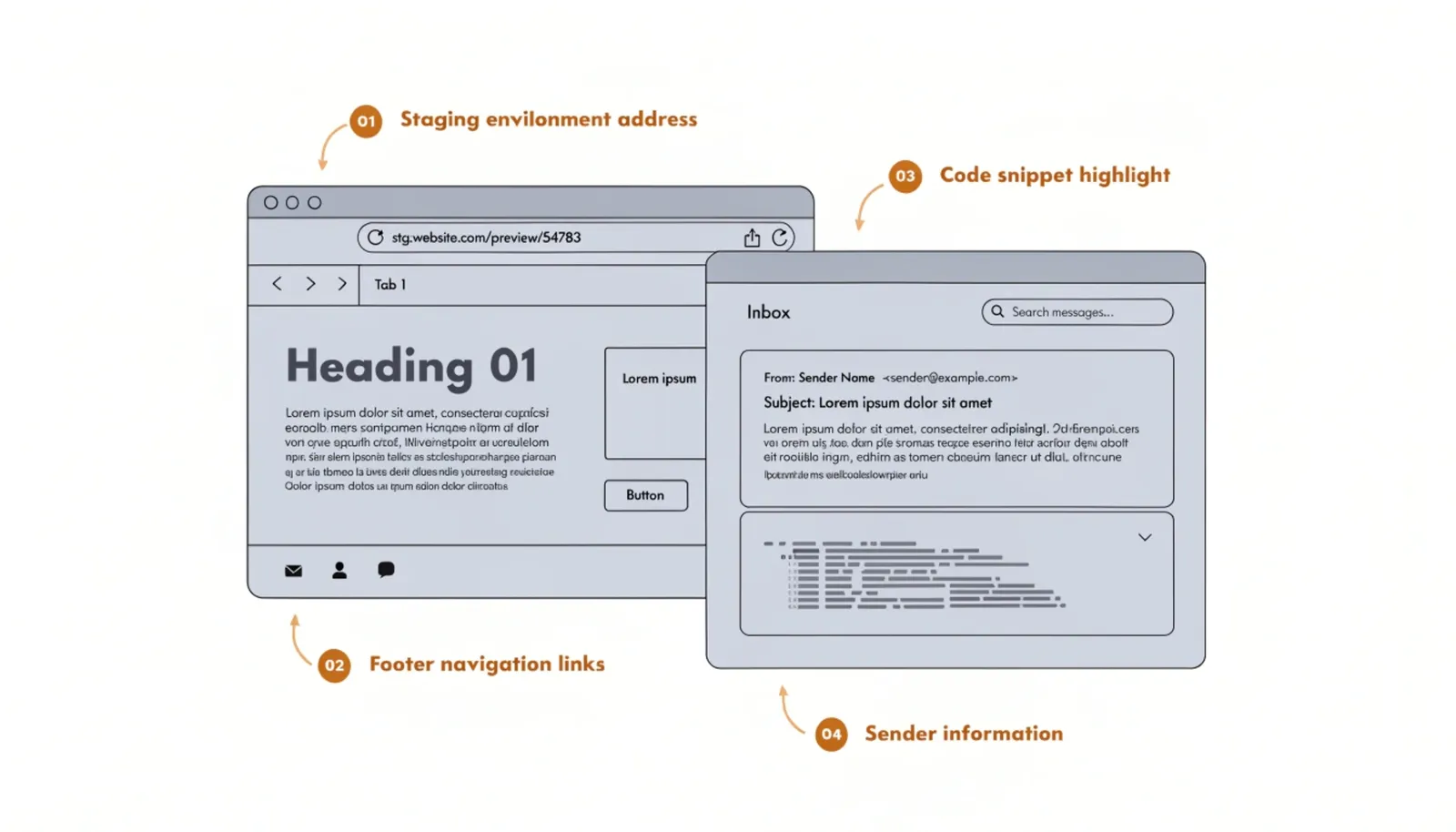
The seam that shows most often is not the code. It is the staging URL, the automated email that goes out under the wrong domain, and the CMS admin footer. Ask what the client will literally see at every step, not just what the finished site looks like.
What White Label Web Design Costs
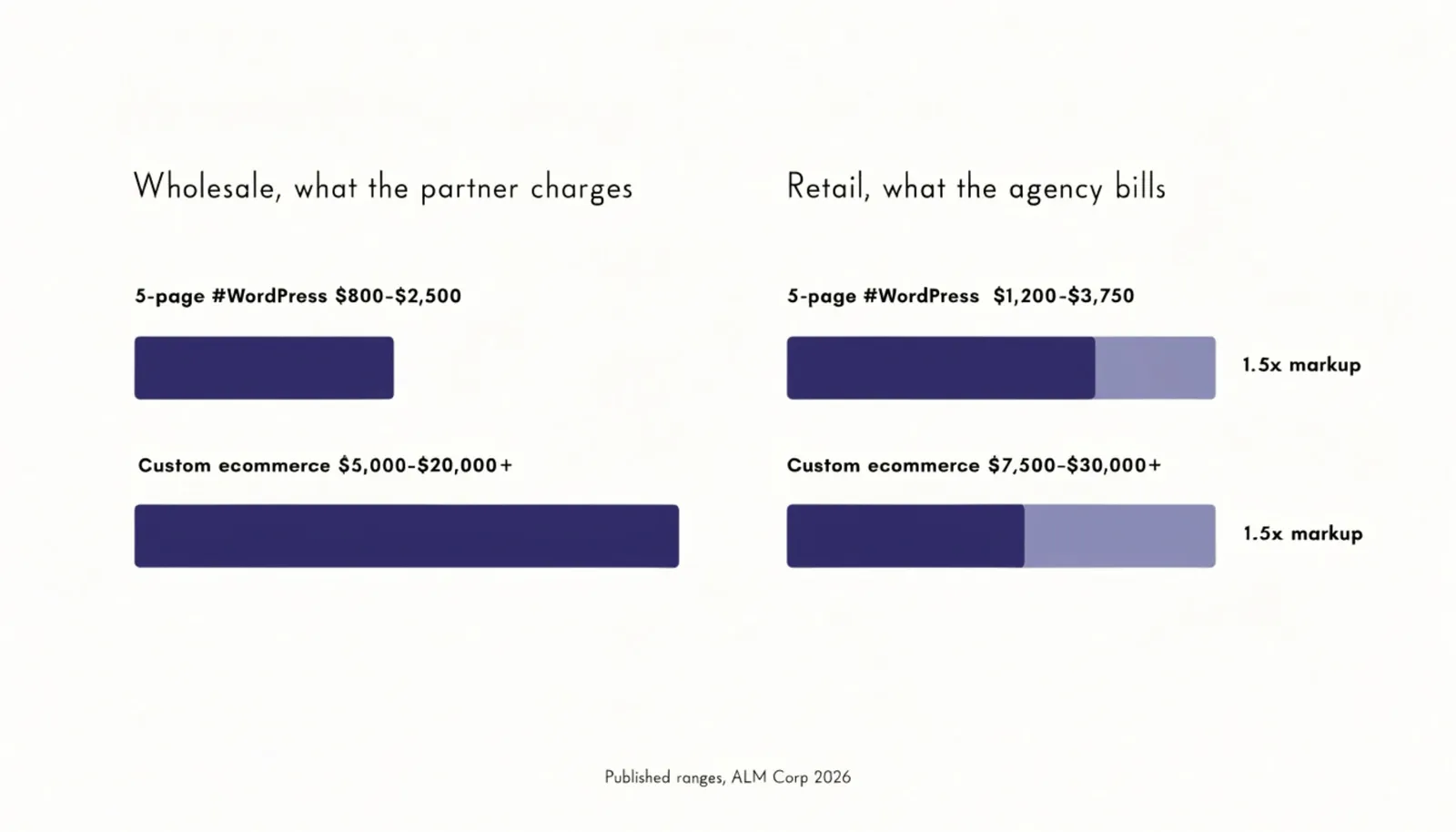
Two numbers matter and they are not the same: what the partner charges the agency (wholesale), and what the agency charges the client (retail). Published guidance from ALM Corp, an agency selling this service, puts the wholesale side like this:
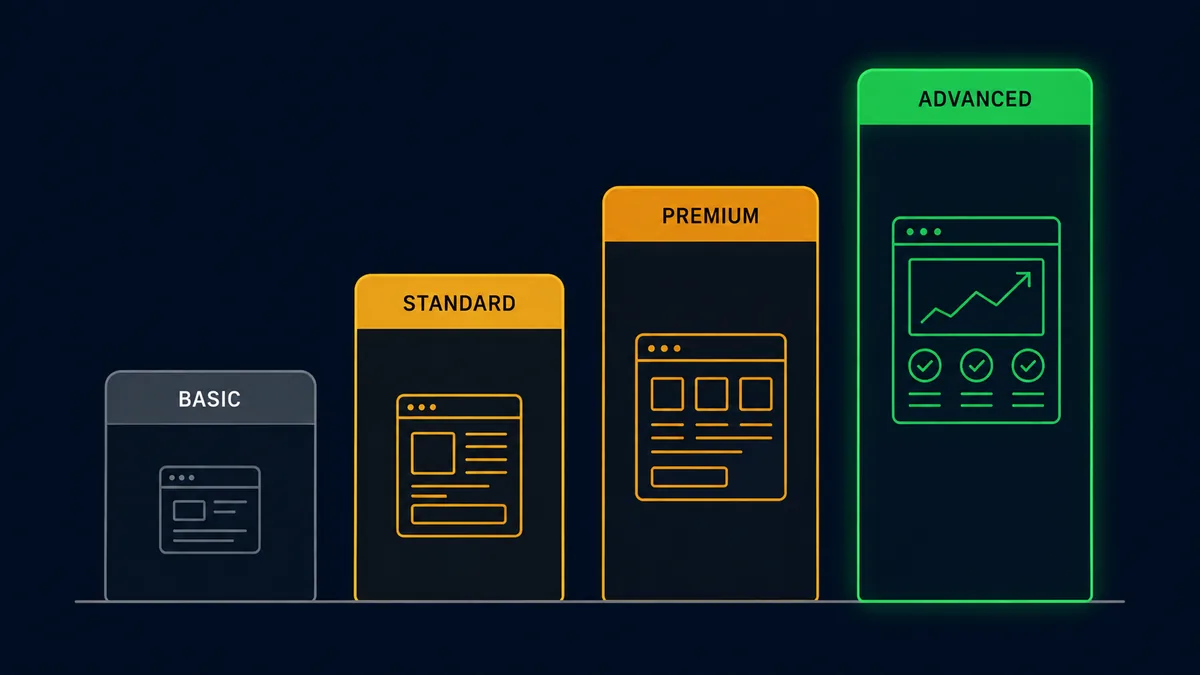
A simple five-page WordPress site from a white label partner might be priced in the $800–$2,500 range. A custom e-commerce build might run $5,000–$20,000 or more.
On top of that sits the markup. The same guide describes the standard resale economics:
A common starting point is a 1.5x markup.
That means billing the client 50% more than the partner charges. The same guide goes on to say established agencies with strong brand positioning often reach 2x to 3x in premium segments. Read both numbers with the source in mind: this is a company that sells white label work publishing what its buyers can earn, not neutral survey data. It is still the most specific published figure we could find, and it matches the shape of what agencies describe.
The practical consequence for an agency: your margin is set at the moment you choose the partner, not at the moment you invoice. A partner who is 30% cheaper but needs two extra revision rounds has cost you more than the difference, because those rounds are absorbed by you, not billed to the client.
White Label WordPress Development, Specifically
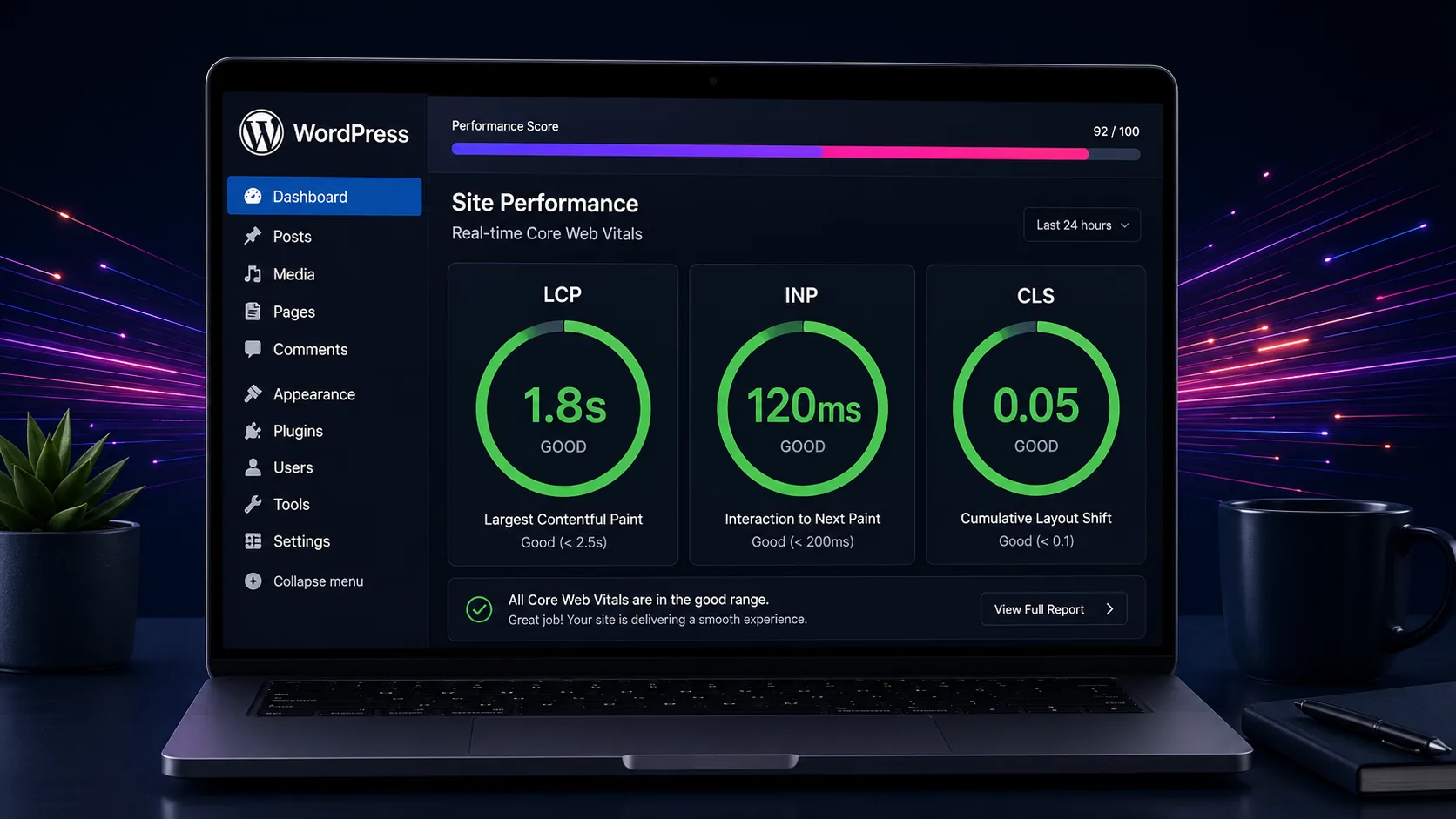
Most white label volume is WordPress, and the reason is boring: the client usually has to edit the site afterwards without calling anyone. A headless build or a bespoke framework raises the ongoing cost of the agency’s own support, which is the part the agency keeps.
The questions that matter for a WordPress white label build are the ones that surface a year later, not at handover:
- Is it a bought theme or a real build? A premium theme means a renewal fee your client inherits, and a page builder that locks the content into shortcodes. Ask, because the demo looks identical either way.
- How many plugins, and whose? Every plugin is code someone else maintains. A build handed over with 34 plugins is a maintenance bill disguised as a finished site.
- What happens at the first core update? Someone has to own that. If it is not written down before launch, it defaults to the agency, which means you.
- Who holds the licences? Premium plugin keys registered to the partner rather than the client are a hostage situation waiting to happen.
These are the same questions that decide whether a site is cheap to run or expensive, which we cover in more depth in how to manage a WordPress website.
What to Ask a White Label Partner Before You Commit
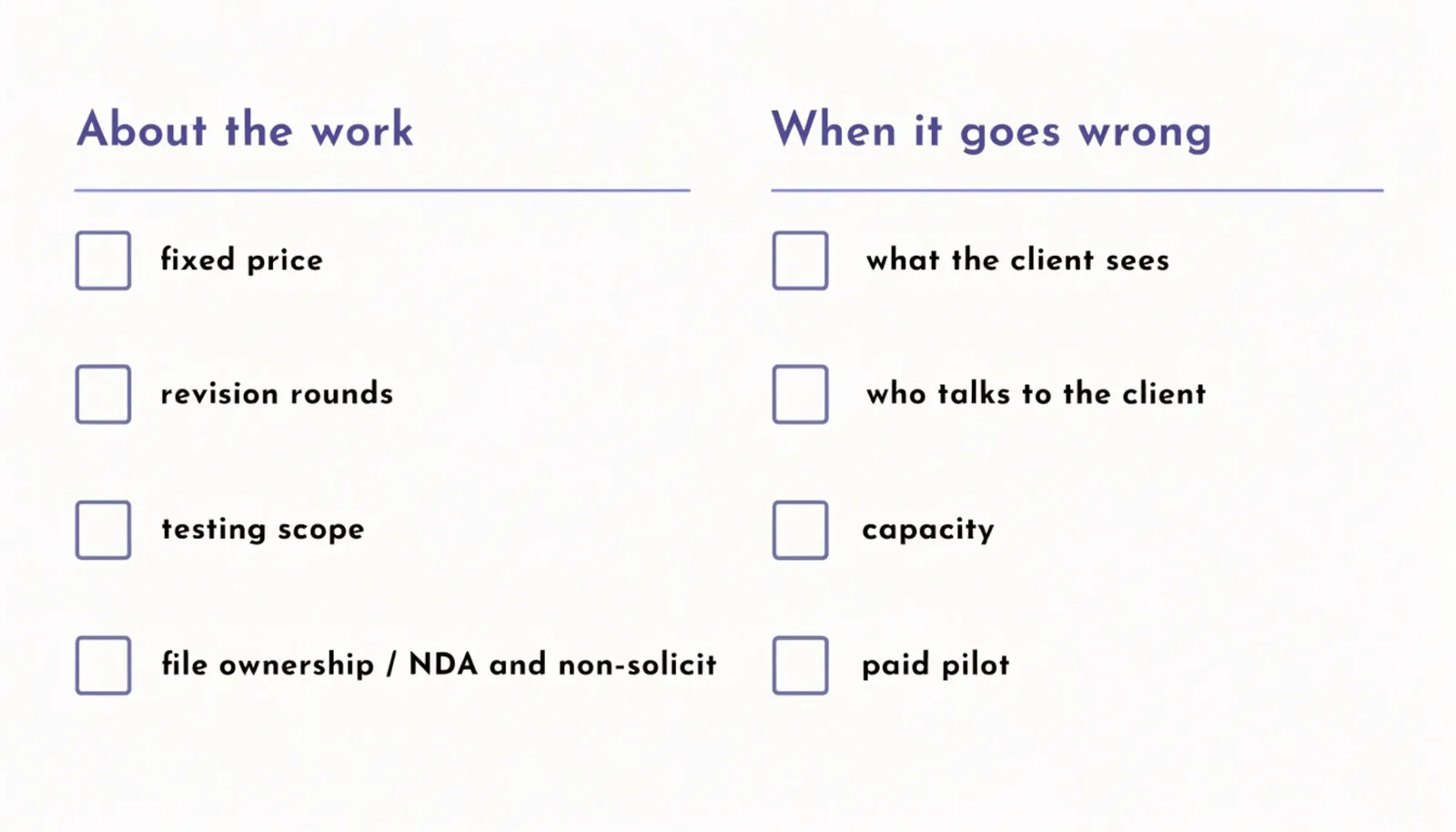
Nine questions. The first four are about the work, the last five are about what happens when something goes wrong, which is where partnerships are actually tested.
- Is the price fixed, and what is explicitly outside it? Vague pricing is the most commonly cited red flag in agency guidance, and for good reason: it moves the negotiation to after the work starts, when a client is already waiting and you have nothing left to trade with.
- How many revision rounds, named as a number? “Unlimited revisions” sounds generous and functions as a scope nobody has pinned down. It stretches timelines you have already promised to a client.
- What is tested before handover? Mobile, the major browsers, every form, every integration, page speed, and the CMS itself. Ask for the list rather than the assurance.
- Who owns the files, the repository and the credentials? Design source, code, licences, hosting and domain access should end up with the agency or the client, in writing, at handover.
- Will you sign an NDA, and does it include non-solicitation? The NDA covers the client’s identity, the project, and the existence of the arrangement itself. The non-solicit clause is the part that stops the partner approaching your client later, and it is the one most often left out.
The five that matter when something goes wrong
- What does the client actually see? Staging URL, system emails, CMS admin footer, source comments. Every one of those is a place a partner’s brand leaks.
- Who communicates with the client, and through which channel? The usual answer is nobody, through no channel. Allowing direct partner-to-client contact is a commonly cited mistake precisely because it is hard to reverse once it has happened.
- How many projects can you run for us at once? Capacity is the constraint that bites in the quarter you win three projects, which is the quarter you needed a partner for in the first place.
- Can we start with a paid pilot? Agency guidance is explicit on this:
Start with a paid pilot. A landing page, small brochure website or defined development task reveals more about communication and quality than a sales call.
A pilot is the only one of these nine that produces evidence rather than a promise. It costs a real but small amount and it answers the questions the other eight can only ask.
Where White Label Partnerships Go Wrong
The failures are predictable and they are mostly not technical.
- Choosing on price instead of process. The cheapest quote does not produce the best margin, because the difference is repaid in rounds you absorb.
- No written agreement before work starts. Both sides then remember the conversation differently, which is the single most common way any agency project goes over budget.
- A vague brief. The partner builds what the brief said. The client wanted what the brief meant. The gap is paid for by the agency.
- Letting the partner talk to the client. Once the client has the partner’s email address, the agency is no longer the only party in the relationship.
- Skipping the pilot. Committing a flagship client project to an untested partner is the expensive way to discover a communication problem.
White Label, Reseller, Private Label: Do They Mean the Same Thing?
Roughly, yes. White label reseller, web design reseller, website design reseller and private label website design all describe the same arrangement from slightly different angles, and buyers use them interchangeably. Where they stop being interchangeable is in what the reselling party actually contributes.
There are two things the word reseller can mean, and the difference is the whole argument:
- A reseller who adds nothing. Takes the brief, forwards it, marks it up, forwards the reply. The client pays more for a layer that absorbed no work and carries no responsibility. This is the sense in which we use the word as a warning elsewhere on this site, and we stand by that.
- An agency reselling under a partnership. Owns the client relationship, the strategy, the brief and the outcome. It subcontracts the build the way a general contractor subcontracts electrical work, and it remains accountable for what ships. That is a real service, and it is what a good white label arrangement is.
The test is not the label. It is whether the reselling party would notice, and care, if the build came back wrong. A web design reseller program that hands you a portal and a price list and nothing else is the first kind. A partnership where somebody on your side reads the build before the client does is the second.
If you are a web development reseller comparing partners, that distinction is also the one your own clients will eventually apply to you. The partner you pick decides which of the two you get to be.
White Label Versus Hiring a Freelancer
They are not the same purchase, and the difference is continuity rather than skill. A freelancer is one person, which means one holiday, one illness and one better offer away from your project stalling. A studio is a process: the person who scopes your work is not necessarily the only person who can finish it.
Freelancers usually win on price for a single defined task. Partners win when you need the same standard applied to the fourth project as the first, which is the situation that makes an agency look for a partner in the first place. Neither is the right answer in general. The deciding question is whether you are buying a task or a capacity.
How We Work as a White Label Partner

We take white label work from agencies, and the terms are the same ones we publish for direct clients rather than a separate set written for this page:
- Fixed price, itemized, agreed in writing before anything is built. Scope changes are quoted in writing and only go ahead once you approve the number. There is no hourly billing.
- We do not outsource your build. This is the part that matters in a white label chain: work handed to us is not handed on again. You are buying one layer, not two.
- Revision rounds are a number in the proposal, agreed before you sign, rather than an open commitment that stretches your timeline.
What stays invisible, and what transfers
- You own everything at handover. Design source, code, licences and access, in your name or your client’s.
- NDA and non-solicitation, signed on request. We do not approach your clients, and the arrangement itself stays confidential.
- Nothing of ours appears anywhere. No footer credit, no branded staging domain, no name in the CMS.
Pricing for agency work is quoted per project rather than published as a rate card, because the wholesale number depends on how much of the scoping and client management you are keeping and how much you want us to carry. The 30-minute call that produces the quote is free, and a paid pilot is a reasonable place to start if you would rather see the work than read about it.
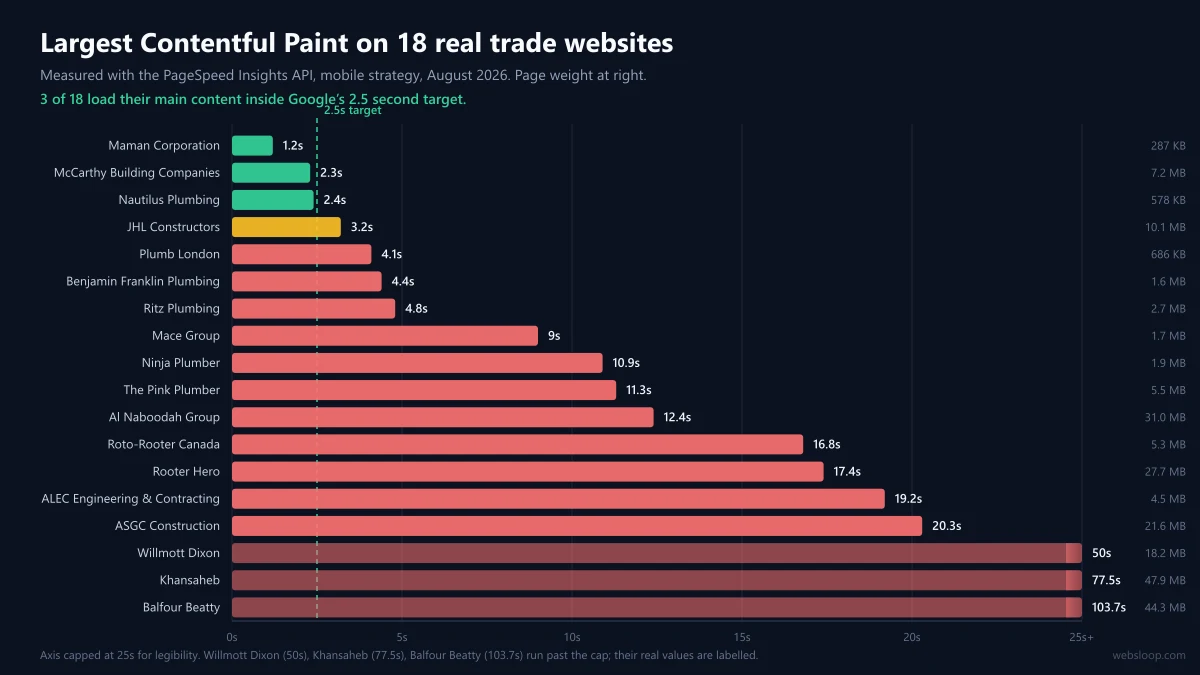
If you want to see how we build before talking about a partnership, our case studies are published in full with the client names on them, and the 18 real trade sites we measured shows the standard we hold work to when nobody is paying us to be kind about it.